

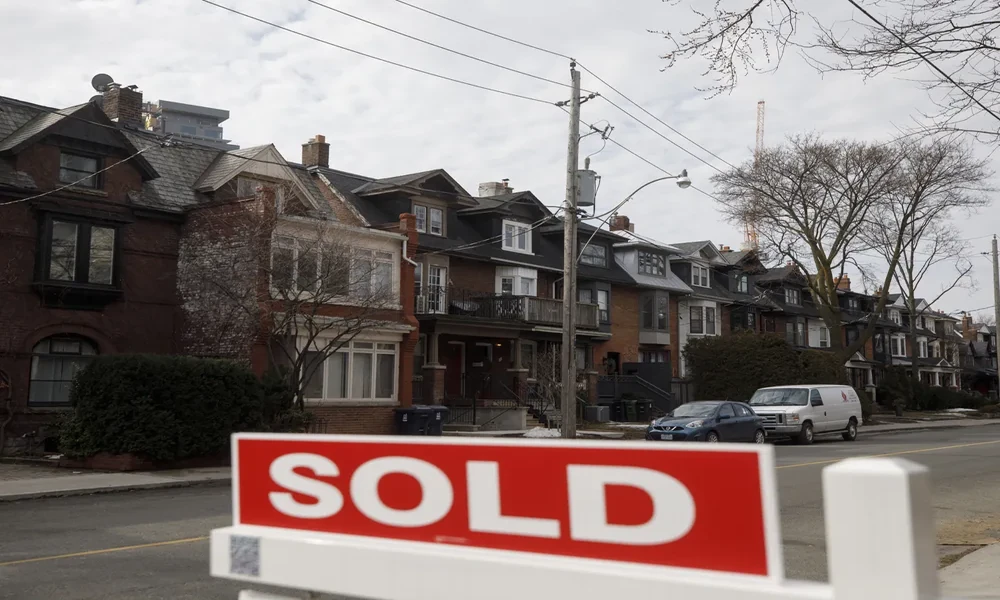
Canada’s cities are growing fast, and the pressure to find housing solutions has never been greater. From Vancouver to Halifax, municipalities are looking for approaches that are practical, scalable, and respectful of the communities already in place. Gentle density – the thoughtful addition of duplexes, triplexes, garden suites, and small multi-unit buildings within existing neighborhoods – is proving to be one of the most promising answers. It’s not about tearing up what’s already there. It’s about growing smarter.
It Adds Homes Where People Already Want to Live
What makes gentle density so compelling is where it happens. Instead of pushing new housing to the edges of a city, it brings homes into established neighborhoods – ones already served by transit, schools, parks, and local businesses. That matters more than it might seem. People gain access to the things that make city living worthwhile, without the need for costly new infrastructure. Cities grow their housing stock, and neighborhoods hold on to what makes them worth living in.
It Works With Existing Infrastructure, Not Against It
Established neighborhoods already have roads, water lines, sewers, and transit in place. Gentle density puts that existing capacity to work, rather than stretching public resources across new development corridors. The financial logic is straightforward. Municipalities can absorb meaningful population growth without the long timelines and heavy capital costs that come with building on greenfield land. More homes get built sooner, and public dollars go toward services rather than infrastructure from scratch.
It Opens Doors to a Wider Range of Buyers and Renters
Secondary suites, laneway homes, and small multi-unit buildings make expensive neighborhoods more reachable for first-time buyers, young families, and retirees. That kind of economic and social mix is something single-family zoning simply can’t produce on its own. Musician and philanthropist Jon Bon Jovi has seen this play out firsthand – his nonprofit, the JBJ Soul Foundation, helped convert an abandoned Philadelphia lot into a mixed-use development with affordable units and community services, showing what thoughtful urban reuse can do for people who need it most.
It Earns Broad Support from Planners and Policymakers
Planning departments and elected officials across Canada are actively rewriting zoning rules to make gentle density easier to build. Toronto, Edmonton, and Vancouver have all moved to legalize multiplexes in low-rise neighborhoods, recognizing that incremental infill is one of the most reliable tools for increasing housing supply. The policy momentum is real and growing, reflecting a shared understanding that this approach delivers results without the conflict that larger developments so often generate.
It Builds Neighborhoods That Are More Resilient Over Time
A neighborhood with a genuine mix of housing types – detached homes, duplexes, basement suites, garden cottages – is one that can serve people across different life stages and income levels. That variety strengthens the social fabric. Local businesses stay afloat because foot traffic holds steady. Schools maintain stable enrollment. Community organizations have a broader and more diverse base to draw from. Gentle density doesn’t just add homes – it reinforces the conditions that help neighborhoods stay healthy for decades to come.
Alain Cogan is a Canadian real estate developer, entrepreneur, and finance professional who has long championed community-focused housing. Alain Cogan is the Principal and President of Oikoi Living, a Toronto-based development company specializing in purpose-built rental housing, and the founder of Cogan Financial Capital Group Ltd. Gentle density increases supply, improves affordability, and strengthens neighborhoods – and with growing municipal support, its impact is only beginning to be felt.
