
As industries continue to evolve in response to technological advancement and changing market demands, the role of an industrial solutions company has become increasingly significant. These organisations are no longer limited to providing equipment or isolated services; they are now key contributors to how businesses modernise operations, improve efficiency, and adapt to new challenges. Their involvement spans multiple areas, from automation and data integration to sustainability and long-term strategic planning.
One of the most important ways an industrial solutions company contributes to transformation is through the adoption of advanced technologies. Automation systems, smart sensors, and connected platforms are now central to many industrial operations. By implementing these technologies, businesses can reduce manual processes, improve accuracy, and increase overall productivity. Industrial solutions companies play a crucial role in designing and integrating these systems, ensuring that they align with the specific requirements of each operation.
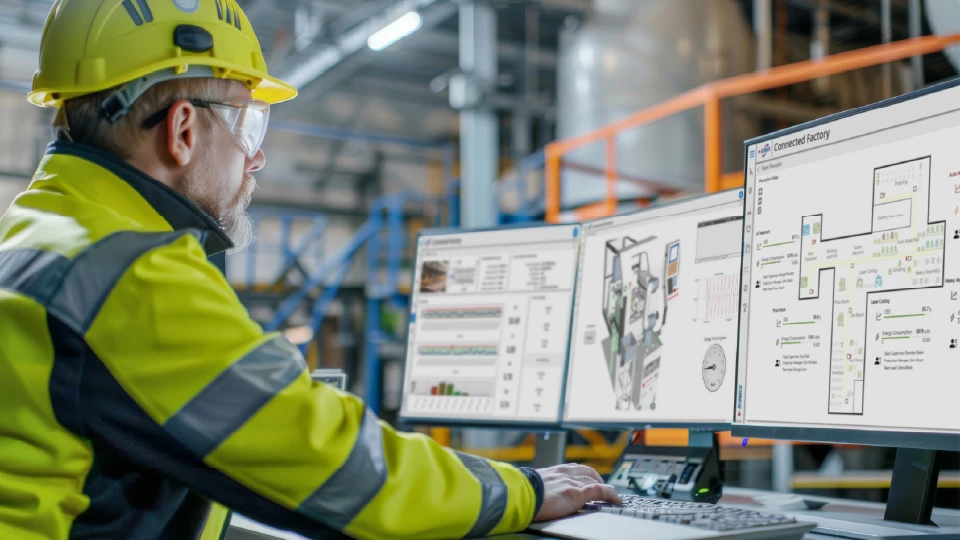
Data has also become a driving force behind modern industry. The ability to collect, analyse, and act on real-time information allows businesses to make more informed decisions. Industrial solutions companies help establish the infrastructure needed to capture and process this data, often integrating it into existing systems to create a unified view of operations. This level of visibility supports better planning, faster response times, and more efficient resource management.
Digitalisation is closely linked to these developments. Moving from traditional, manual processes to digitally connected systems allows for greater control and flexibility. Industrial solutions companies often guide this transition, helping businesses adopt new tools while maintaining continuity in their operations. This includes everything from upgrading legacy systems to implementing new software platforms that support monitoring, reporting, and predictive maintenance.
Sustainability has also become a central focus in industrial transformation. Businesses are increasingly expected to reduce their environmental impact while maintaining performance and profitability. Industrial solutions companies contribute by identifying opportunities to improve energy efficiency, reduce waste, and optimise resource use. This may involve redesigning processes, introducing more efficient equipment, or implementing systems that monitor and manage energy consumption in real time.
Another key aspect of their role is improving operational resilience. Modern industries must be prepared to respond to disruptions, whether they are caused by supply chain issues, equipment failures, or external factors. Industrial solutions companies help build systems that are more adaptable and reliable, reducing the risk of downtime and ensuring that operations can continue under varying conditions. This often includes the integration of predictive maintenance tools that identify potential issues before they lead to failures.
Collaboration is also an important part of the transformation process. Rather than acting as external providers, industrial solutions companies often work closely with their clients to develop tailored strategies. This partnership approach allows for a deeper understanding of specific challenges and ensures that solutions are designed with long-term success in mind. By aligning their expertise with the goals of the business, they can deliver more effective and sustainable outcomes.
Workforce considerations are another area where these companies add value. As new technologies are introduced, employees need to adapt to different ways of working. Industrial solutions companies often support this transition by providing training, guidance, and systems that are designed to be user-friendly. This helps ensure that technological advancements are fully utilised and that teams are confident in using new tools and processes.
Looking at the broader picture, the role of an industrial solutions company extends far beyond technical implementation. It involves shaping how businesses operate, compete, and grow in a rapidly changing environment. By combining technology, expertise, and strategic insight, these companies help organisations move from traditional models to more advanced, efficient, and sustainable ways of working.
As industry continues to progress, the importance of this role is only likely to increase. Businesses that embrace transformation with the support of the right partners are better positioned to adapt, innovate, and succeed in the long term.
