

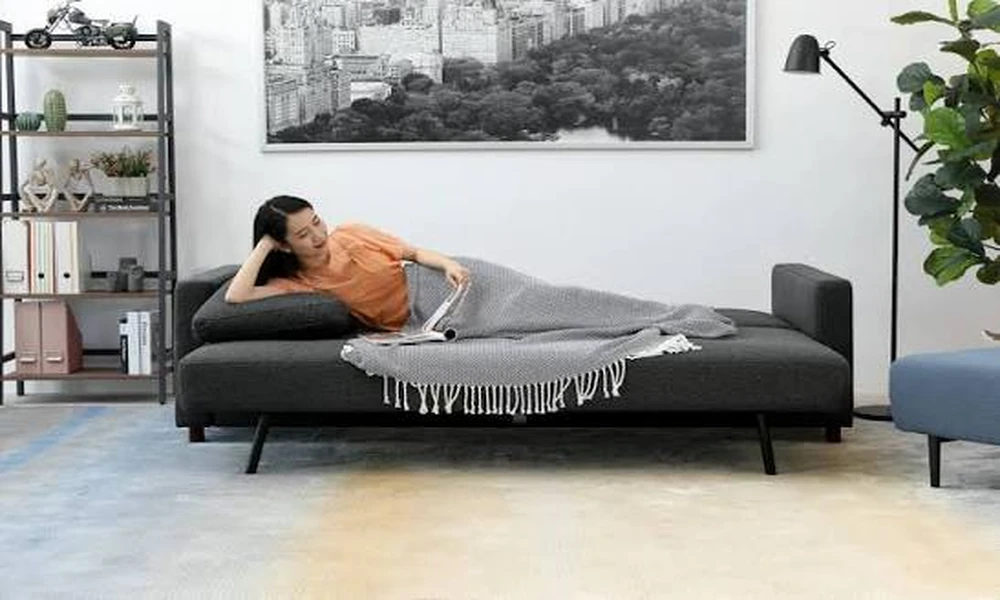
A sofa bed can solve two common problems in a small home: limited seating and limited sleeping space. Instead of dedicating an entire room to occasional guests, one piece of furniture can serve as a sofa during the day and provide an extra sleeping surface when needed.
That flexibility is useful in studio apartments, condos, compact bedrooms, and multipurpose rooms, but size alone should not determine your choice. Before buying, consider how the furniture will fit when both folded and fully opened, how often it will be used for sleeping, and whether its design works with your everyday routine.
1. Measure the Space in Both Sofa and Bed Mode
The first measurement to check is not just the width of the sofa. A sofa bed needs enough clearance to function properly when converted for sleeping.
Measure:
– Available wall width
– Sofa depth
– Space required when fully opened
– Walking clearance around the bed
– Distance from doors, cabinets, and other furniture
– Access through hallways, elevators, and doorways
A compact sofa may fit comfortably against a wall but become difficult to use once unfolded. For example, a model placed in a narrow living room may block a cabinet or walkway when converted into a bed.
Use masking tape on the floor to mark the full dimensions before purchasing. This gives a clearer sense of how much usable space will remain in both configurations.
2. Decide How Often It Will Be Used for Sleeping
A sofa used mainly for sitting has different requirements from one that will regularly function as a bed.
For occasional overnight guests, quick conversion and convenient storage may matter more than creating a permanent sleeping setup. If the sofa will be used for sleeping several nights each week, however, pay closer attention to the sleeping surface, dimensions, firmness, and support.
Also consider who will use it. A sleeping area suitable for one guest may not provide enough width for two adults, while taller users may need additional length.
Check the actual bed dimensions instead of relying only on labels such as single, double, or queen. Product dimensions can vary between designs.
3. Compare Comfort for Sitting and Sleeping
A good small-space purchase should work in both modes rather than performing well in only one.
When testing a sofa bed, consider how the seat feels during normal daytime use. Look at seat depth, back support, firmness, and whether cushions stay in place when people sit down or stand up.
For sleeping, check whether the surface feels even when the sofa is opened. Depending on the design, the sleeping surface may consist of foam sections, folding cushions, or a separate mechanism.
Firmness preferences are personal, so there is no single correct choice. A medium-firm surface may suit some households, while others may prefer softer or firmer support.
Where possible, try both the sitting and sleeping positions before buying.
4. Check How Easily It Converts
In a small home, furniture that requires too many steps to rearrange can quickly become inconvenient.
Before choosing a sofa bed, look at how it changes from one function to the other. Some designs simply fold out, while others use reclining positions, pull-out sections, or mechanical frames.
Ask yourself:
– Can one person convert it easily?
– Does furniture need to be moved first?
– Are cushions removed or rearranged?
– Does the mechanism require additional clearance?
– Can it be returned to sofa mode quickly?
If you expect to switch between modes frequently, ease of conversion becomes especially important. A simple mechanism can make the furniture more practical for everyday use, especially in compact rooms where space is limited.
5. Look Beyond Size: Storage, Materials, and Maintenance Matter Too
Small homes benefit from furniture that makes everyday routines easier. Beyond dimensions, consider how the sofa bed will be cleaned, moved, stored around, and maintained over time.
Useful features may include:
– Removable or replaceable covers
– Built-in storage
– Lightweight construction
– Included cushions or pillows
– Easy-to-clean upholstery
– Simple designs with fewer moving parts
Built-in storage can be particularly useful in compact homes because it creates space for bedding, pillows, or other items without requiring another cabinet.
Material also matters. Upholstery texture, foam firmness, and frame construction can influence both comfort and maintenance, so compare the specifications of individual models instead of assuming every sofa bed uses the same materials.
In summary, a sofa bed can make a small home more flexible, but the right choice depends on more than finding the smallest model available. Measure the furniture in both sofa and bed mode, think about how often it will be used for sleeping, compare comfort in both positions, test the conversion process, and consider practical features such as storage and maintenance.
For households looking to make better use of limited space, Uratex has a range of sofa bed options designed for both sitting and sleeping, with different formats, sizes, firmness levels, and features across the collection. Some models are positioned specifically for compact spaces, while selected designs include features such as reclining adjustments, storage areas, throw pillows, or tested strength and durability. Comparing these details against your room dimensions and daily routine can help you choose a model that fits the way your home actually works.
