

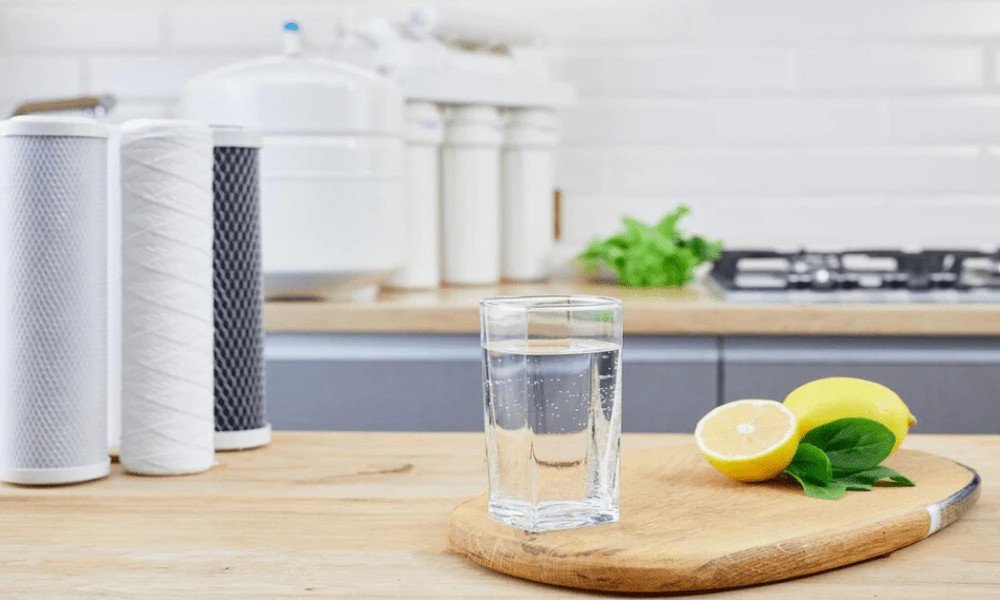
Access to clean, safe drinking water is a fundamental requirement for a healthy lifestyle, yet many homeowners struggle with the varying quality of tap and ground water across different regions. In Thailand, water conditions can range from high sediment and chlorine levels in urban areas to heavy mineral content and salinity in coastal or rural zones. Understanding which technology suits your specific environment is crucial for ensuring both the safety of your family and the longevity of your appliances.
If you are looking for a reliable solution, many residents trust an expert water filter ( เครื่องกรองน้ำ) to provide high-standard purification that meets international health benchmarks. Selecting the right water filter requires a balance between technical specifications, maintenance commitment, and a clear understanding of your local water chemistry.
1. Identify Your Primary Raw Water Source
The first step in selecting a water filter is to analyze whether your home uses municipal tap water, groundwater, or collected rainwater. Municipal water often contains high levels of chlorine and chemical byproducts used during treatment, requiring carbon-based filtration, whereas groundwater may contain heavy metals, iron, or high calcium levels that cause limescale. Choosing a water filter without knowing your water source can lead to rapid filter clogging or ineffective purification, which is why a basic water test is often recommended before making a final purchase. Ensuring the system is rated for your specific water type will guarantee that the internal components can handle the specific contaminants found in your local supply.
2. Evaluate the Benefits of Reverse Osmosis (RO) Systems
For those seeking the highest level of purity, a Reverse Osmosis (RO) water filter is often considered the best standard in residential purification technology. These systems use a semi-permeable membrane to remove up to 99% of dissolved solids, including heavy metals, arsenic, and fluoride, which standard filters might miss. An RO water filter is particularly effective in areas where water has a “salty” or “brackish” taste, as it can effectively desalinate the water at a molecular level. While these systems require a power source and produce some wastewater, the unmatched clarity and safety they provide make them a top choice for families with infants or elderly members.
3. Consider Ultra-Filtration (UF) for Mineral Retention
If your primary concern is removing bacteria and microorganisms while retaining essential minerals like calcium and magnesium, an Ultra-Filtration (UF) water filter might be the ideal choice. The UF membrane has a pore size of approximately 0.01 microns, which is small enough to block most pathogens but large enough to allow healthy minerals to pass through. This type of water filter is highly popular among health-conscious individuals who prefer the “natural” taste of mineral-rich water and do not want to deal with the wastewater associated with RO systems. Furthermore, UF systems typically operate without electricity, relying solely on water pressure, which makes them highly efficient and easy to install in most kitchens.
4. Determine the Necessity of Ultraviolet (UV) Sterilization
In regions where water contamination by viruses or bacteria is a recurring concern, adding an Ultraviolet (UV) stage to your water filter is a vital safety measure. Unlike chemical treatments, UV light disinfects water by neutralizing the DNA of harmful microorganisms, preventing them from reproducing without changing the water’s taste or odor. A UV-equipped water filter is particularly useful for homes that rely on well water or older piping systems where bacterial regrowth can occur within the pipes. It is a chemical-free process that provides an additional layer of biological security, ensuring that every glass of water is free from invisible pathogens that can cause illness.
5. Assess the Need for Alkaline and Mineral Enhancement
Modern filtration technology allows you to do more than just remove contaminants; a specialized water filter can also improve the “health profile” of your water by adjusting its pH levels. Alkaline water filters use specialized media to increase the pH and add beneficial minerals back into the water after the purification process is complete. Many users find that alkaline water has a smoother taste and helps balance body acidity, which is a popular trend in the wellness community today. When choosing a water filter with these features, ensure that the mineral cartridges used are of high quality and food-grade certified to provide the most health benefits.
6. Analyze Long-Term Maintenance and Filter Replacement Costs
A water filter is a long-term investment, and the initial purchase price is only one part of the total cost of ownership. Different systems have varying schedules for cartridge replacement, ranging from every three months for sediment filters to every two years for high-end membranes. Before buying, you should check the availability and price of genuine replacement filters to ensure that keeping the system running remains affordable over time. A high-quality water filter with a slightly higher upfront cost might actually be more economical if its replacement parts are durable and have a high gallon-capacity rating.
7. Account for Space Constraints and Installation Type
Homeowners must decide between under-sink, countertop, or whole-house systems depending on their available space and the volume of water needed. An under-sink water filter is excellent for keeping kitchen counters clutter-free, but it requires professional installation and adequate cabinet space for the tanks and housing. Countertop models, on the other hand, are much easier to install and are ideal for renters or those with limited kitchen space, though they have smaller capacities. Always measure your intended installation area and check the water filter dimensions to ensure a seamless fit that does not interfere with your daily kitchen activities.
8. Look for International Quality Standards and Certifications
To ensure you are truly getting the protection promised by the manufacturer, always check if the water filter carries certifications from recognized organizations like NSF International or the Water Quality Association (WQA). These certifications prove that the system has been rigorously tested for structural integrity and that its filtration claims are backed by scientific data. A certified water filter provides peace of mind that the materials used are BPA-free and that the system will not leak harmful chemicals into your drinking water. Investing in a reputable brand with global certifications is the best way to avoid low-quality “copycat” products that fail to provide adequate filtration.
Selecting the right water filter is a critical step toward ensuring the long-term health and well-being of your household. By evaluating your local water source, understanding the differences between RO and UF technologies, and considering maintenance requirements, you can make an informed decision that provides clean water for years to come. Remember that a high-quality filtration system is not just about removing odors; it is about providing a consistent barrier against invisible contaminants. Taking the time to research these eight essential points will ensure that your final choice is both practical and effective. If you are searching for a high-performance water filter, consulting with a specialist will help you navigate the technical details with ease.
Safety Drink is a leading authority in Thailand’s water purification industry, dedicated to providing comprehensive and high-quality water solutions for every type of home. They offer an extensive selection of water filter systems, ranging from advanced Reverse Osmosis units to eco-friendly mineral enhancers, all sourced from trusted global manufacturers. With a commitment to safety, innovation, and customer satisfaction, Safety Drink ensures that every product in their catalog meets strict quality control standards. Their team of experts provides personalized consultations to help you match a system to your specific home water conditions, ensuring maximum performance. Beyond just selling products, Safety Drink prides itself on excellent after-sales support and a steady supply of genuine replacement parts to keep your water clean and safe forever.
