

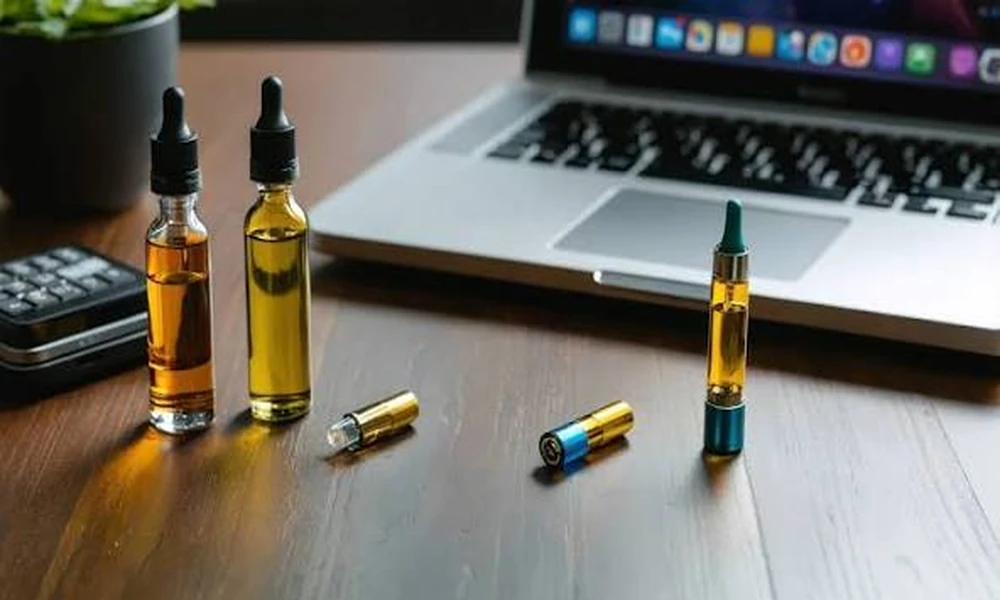
Verified potency in a THCA cartridge means the concentration figure on the label has been confirmed by an independent laboratory against the actual batch being sold, not a sample pulled from an earlier production run. best cart brands separate themselves from marketing-heavy competitors precisely at this point, where documentation either backs the claim or the claim stands alone with nothing behind it.
Cartridges built around verified potency go through third-party testing that covers cannabinoid percentages, residual solvent levels, pesticide screening, and heavy metal content as a complete panel rather than selective reporting. A brand that publishes full Certificates of Analysis tied to current batch numbers is showing its output rather than describing it. Buyers who have encountered products that have performed below their stated figures without any way to trace the reason why are most likely to be concerned with this distinction.
Seven potency standards worth knowing
1. Batch-tied lab reports
A cartridge with verified potency carries a Certificate of Analysis linked to its specific batch number, not the product line. Reports that cover an entire range without batch identification leave too much room between what was tested and what was packaged.
2. Full-panel cannabinoid testing
Verified potency goes beyond a single THCA percentage. Full-panel testing documents minor cannabinoid content alongside the primary figure, which gives a complete picture of what the distillate actually contains rather than what was chosen to be highlighted.
3. Residual solvent screening
Cartridges that skip marketing hype include solvent screening results in their documentation. Carry-over from extraction introduces harshness into the vapour that no hardware quality can offset, and its absence from a lab report is a gap worth noting before purchase.
4. Terpene percentage disclosure
Products that list terpene percentage alongside THCA concentration are treating oil content as a complete picture. Terpenes control viscosity, coil feed rate, and draw resistance, and their absence from documentation often signals synthetic filler use that behaves unpredictably under heat.
5. Heavy metal panel inclusion
Standard lab panels sometimes omit heavy metal testing, which traces contamination from coil and hardware materials. Cartridges with verified potency include this panel because metal contamination affects draw quality across sessions in ways that build gradually rather than appearing immediately.
6. Pesticide screening documentation
Source hemp carries pesticide exposure from cultivation, and those compounds concentrate as distillate purity increases. A cartridge that publishes pesticide screening results as part of its standard documentation is confirming that refinement did not simply push contamination upward alongside potency.
7. Report date within 90 days
A Certificate of Analysis dated beyond 90 days of purchase covers a production run that may no longer reflect current output. Verified potency means current verification, and the report date is the detail that confirms whether documentation is active or archival.
The claim that the potency of a product has been verified is not a marketing claim. A cartridge contains a variety of documents that confirm what it contains before it is purchased. It can be backed up by batch-specific reports, testing panels with full terpene profiles, and disclosed terpene data.
