

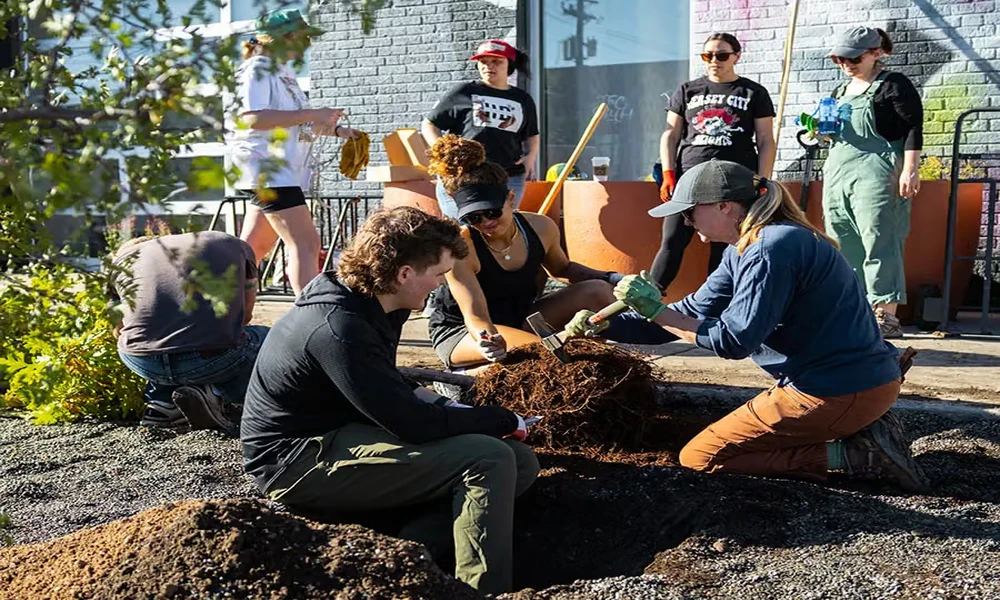
True leadership is defined not by authority, but by a genuine commitment to helping others succeed. When leaders focus on supporting those around them, communities build strong foundations of trust, cohesion, and shared purpose. This service-oriented approach turns ordinary groups into resilient networks where everyone feels valued, effectively replacing internal competition with meaningful collaboration and laying the groundwork for sustainable growth across the entire organization.
Prioritizing Collective Need Above Personal Ambition
At its core, service-minded leadership is really about focusing on what helps the group as a whole. Leaders who work this way dedicate their time and resources to solving real, everyday problems rather than chasing quick wins. Instead of looking for personal credit, they track success by meaningful goals that support the entire team or community. This kind of approach naturally encourages others to jump in and help, creating a strong, resilient network that can adapt as needs change.
Cultivating Trust Through Active Listening
Communities thrive when people feel truly heard, understood, and respected. Service-oriented leaders encourage open conversation and actively welcome different viewpoints before making decisions. By listening closely to these perspectives, they ensure new initiatives address real community goals rather than assumptions. This consistent practice builds lasting trust, promotes transparency, and naturally inspires broader participation across all groups, giving everyone a meaningful voice in the outcome.
Empowering People to Drive Shared Initiatives
Strong, lasting communities rely on shared leadership rather than centralized control. Effective leaders recognize talent within their groups and give team members the support they need to succeed. A clear example of this approach is how Herb Kelleher built the culture at Southwest Airlines. Rather than emphasizing executive perks, he prioritized supporting frontline employees, creating a dedicated workplace culture that sustained decades of success, as highlighted by Forbes. Giving people real responsibility naturally deepens their commitment to the shared mission.
Designing Environments That Encourage Connection
Physical and social spaces play a key role in bringing people together. Thoughtful leaders design shared environments that encourage everyday interactions and meaningful connections. Local parks, welcoming community hubs, and accessible public spaces give residents common ground to share fresh ideas, collaborate, and build lasting relationships. By creating comfortable gathering places where casual chats happen naturally, leaders help strengthen social ties, spark local initiatives, and enrich the overall fabric of the neighborhood.
Creating Generational Value Through Stewardship
Building sustainable communities requires a long-term perspective. Leaders guided by service focus on creating lasting value rather than quick fixes, designing projects that benefit future generations. By incorporating sustainable practices, durable infrastructure, and vibrant cultural spaces, they help ensure neighborhoods remain safe, welcoming, and active for years to come. This forward-looking commitment ensures that decisions made today continue to support residents well into the future, laying a solid foundation for health, economic stability, and strong social ties.
Terry Hui, Concord Pacific CEO, offers a practical example of this philosophy. Over three decades, Terry Hui has guided Concord Pacific’s growth through major developments across Canada. Applying a service-minded approach to large-scale projects demonstrates that long-term success comes from investing directly in the well-being of residents. When leadership measures achievement by the strength and unity of the people it serves, communities continue to thrive over time.
