

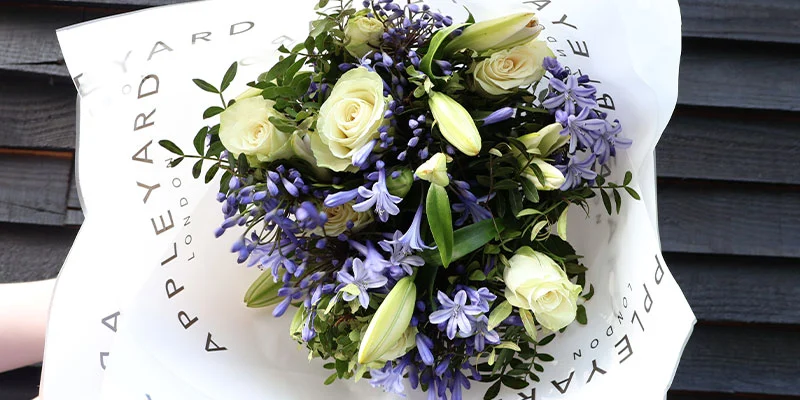
In moments when words feel insufficient, gestures often speak louder. One of the most timeless and emotionally powerful gestures is giving apology flowers. Whether you’re trying to repair a misunderstanding, express regret, or rebuild trust, flowers carry a universal language that resonates deeply across cultures and relationships.
Saying sorry is never easy. It requires vulnerability, sincerity, and a willingness to acknowledge mistakes. While words matter, pairing them with a thoughtful gesture can amplify your message and make your apology truly unforgettable. This is where the emotional impact of flowers as an apology becomes invaluable.
Why Flowers Are So Powerful in Apologies
Flowers have long been associated with emotions—love, sympathy, gratitude, and forgiveness. Their beauty is fleeting, yet their symbolism is enduring. When used in an apology, flowers communicate effort, care, and genuine remorse.
Unlike a simple text message or rushed apology, giving apology flowers shows that you’ve taken the time to choose something meaningful. It demonstrates intention and signals that the relationship matters to you.
Here’s why flowers work so effectively:
- They create an emotional connection without needing many words
- They soften tension and open the door to communication
- They symbolize renewal, growth, and a fresh start
- They show effort and thoughtfulness beyond a verbal apology
In many cases, receiving flowers can shift the emotional atmosphere instantly, making it easier for both sides to reconnect.
Choosing the Right Flowers for an Apology
Not all flowers carry the same meaning. When selecting flowers as an apology, it’s important to consider symbolism, color, and the nature of your relationship.
Roses – Classic and Emotional
Roses are one of the most popular choices for apologies. While red roses symbolize deep love, softer tones like pink or white are often more appropriate for expressing regret and sincerity.
- White roses represent purity and a fresh start
- Pink roses convey admiration and appreciation
- Yellow roses can symbolize friendship and reconciliation
Lilies – Grace and Renewal
Lilies are elegant and often associated with renewal and healing. They are ideal when you want to express a heartfelt apology that carries emotional depth.
Orchids – Thoughtful and Unique
Orchids represent beauty, strength, and sincerity. Choosing orchids as apology flowers can signal that your apology is genuine and carefully considered.
Tulips – Simple and Honest
Tulips are perfect for straightforward apologies. Their simplicity reflects honesty and authenticity, making them ideal for situations where sincerity matters most.
When to Send Apology Flowers
Timing plays a crucial role in any apology. Sending flowers too late can reduce their impact, while sending them too soon without reflection might feel insincere.
Consider these scenarios where flowers as an apology can make a significant difference:
- After a misunderstanding in a romantic relationship
- Following a disagreement with a close friend
- As a gesture to rebuild trust after a mistake
- To express regret in professional relationships
- When words alone are not enough
The key is to ensure that your gesture aligns with your intent. Flowers should complement your apology—not replace it.
How to Make Your Apology More Meaningful
Simply sending flowers is not always enough. To truly make an impact, you should combine your gesture with sincerity and personal effort.
Include a Personal Message
A handwritten or thoughtful note can elevate your bouquet. Avoid generic phrases and focus on authenticity. Acknowledge what happened, take responsibility, and express your intention to improve.
Choose a Thoughtful Arrangement
The arrangement itself should reflect the relationship and situation. A carefully curated bouquet feels more personal than a generic selection.
Be Consistent With Your Actions
An apology is only meaningful if it’s backed by change. Flowers can open the door, but your actions must follow through.
Why Apology Flowers Work in the Modern World
In today’s fast-paced digital environment, genuine gestures have become rare. This rarity makes them even more powerful. Sending apology flowers stands out precisely because it requires effort and intention.
Unlike instant messages or quick calls, flowers create a tangible experience. They arrive, they are seen, touched, and appreciated. This physical presence reinforces your message in a way digital communication simply cannot.
Moreover, flowers create a pause—a moment of reflection. They invite the recipient to slow down, process emotions, and consider reconciliation.
The Role of Professional Services
Choosing the right flowers and ensuring timely delivery can be challenging, especially when emotions are involved. This is why many people turn to specialized services like Apology Flowers, which focus specifically on helping individuals express regret and rebuild relationships.
Such services understand the emotional nuances behind apologies and offer curated arrangements designed to convey sincerity, empathy, and care.
Common Mistakes to Avoid
Even a well-intended apology can fall flat if certain mistakes are made. When sending flowers as an apology, keep these points in mind:
- Don’t rely solely on the gesture—words still matter
- Avoid overly extravagant bouquets that may feel insincere
- Don’t delay your apology unnecessarily
- Never use flowers to avoid accountability
- Make sure your message aligns with your actions
A successful apology is about authenticity, not grand gestures alone.
Turning a Mistake Into a New Beginning
At its core, an apology is not just about fixing a mistake—it’s about growth. It’s an opportunity to strengthen relationships, build trust, and demonstrate emotional maturity.
Apology flowers serve as a bridge between regret and reconciliation. They soften emotions, create space for dialogue, and show that you are willing to make things right.
When chosen thoughtfully and paired with genuine intent, flowers as an apology can transform even the most difficult situations into opportunities for connection and renewal.
In the end, it’s not just about the flowers—it’s about what they represent: humility, care, and the courage to say, “I’m sorry.”
