

Key Takeaways
- Laser responses vary by facial zone because cheek skin and nose skin differ in thickness, oil output, and pore structure, which changes how energy is absorbed and remodelled during large pores treatment.
- Nose pores are structurally deeper and more oil-driven, so laser passes that tighten cheek texture often produce limited visible change on the nose without supporting oil and keratin management.
- Expect uneven timelines: cheeks tend to show earlier texture tightening after laser treatment, while nose pores require more sessions and supporting protocols to produce measurable change.
Introduction
People often notice that laser sessions appear to “work” on cheek pores but leave nose pores looking stubborn. This situation is not a device failure or poor technique alone. It is a predictable outcome of how pore anatomy, oil flow, and skin thickness differ across facial zones. Comprehending these differences helps set realistic expectations for any large pores treatment that includes laser, especially when outcomes vary across the same face after identical settings and session intervals.
1) Cheek Skin Responds Faster Because Structure and Heat Distribution Are Different
Cheek skin is generally thicker in the dermis, less congested with sebaceous filaments, and more even in collagen density than the nose. Once laser energy is delivered to this area, heat disperses more evenly through the dermal layer, triggering collagen contraction and gradual remodelling that tightens the appearance of pores. The pore openings on cheeks are often more shallow and less distorted by chronic oil pressure, so a modest change in dermal support can translate into a visible reduction in pore diameter. This instance is why cheeks may show a smoother texture within weeks, while the nose shows little change despite receiving the same laser passes.
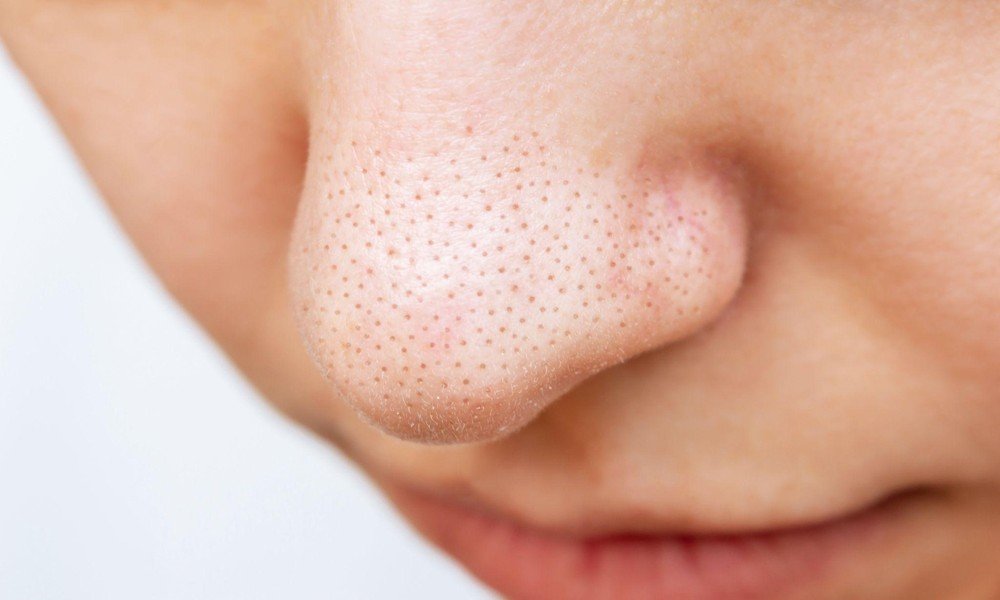
The nose behaves differently because pore openings there are anchored to deeper, more active sebaceous units. Heat delivered by lasers tends to be partially dissipated by surface oil and keratin plugs, reducing the proportion of energy that reaches the dermal structures responsible for long-term tightening. Even when energy reaches depth, the constant mechanical pressure from sebum flow can stretch pore openings back towards baseline between sessions. In practical terms, the cheek benefits from structural tightening with fewer competing forces, while the nose continuously pushes back against that tightening. This structural difference explains why one-size laser protocols used in large pores treatment often produce uneven results across facial zones.
2) Oil Output and Keratin Build-Up Counteract Laser-Induced Tightening on the Nose
Nasal skin produces more sebum and accumulates keratin plugs more rapidly than cheek skin. These plugs sit within pore openings and make pores look wider even when the surrounding dermis tightens. Laser energy does not remove keratin build-up or regulate oil output on its own. Due to this, the surface appearance of pores on the nose can remain largely unchanged even when underlying collagen remodelling has begun. This instance creates a mismatch between biological change and visible outcome.
Laser treatment may appear to underperform on the nose without concurrent oil-control and pore-clearing measures. The cheeks, with lower oil output, do not face the same rebound effect. Over repeated sessions, this difference compounds: cheeks show cumulative texture change, while the nose shows minor or delayed change unless pore contents and oil flow are managed between treatments. From a planning perspective, any large pores treatment strategy that relies on lasers alone is structurally biased towards better cheek outcomes unless it is paired with measures that reduce sebum pressure and surface blockage on the nose.
3) Energy Settings and Pass Patterns Are Often Optimised for Cheeks, Not the Nose
Clinical laser settings are frequently selected to balance coverage, comfort, and downtime across the whole face. These settings are usually appropriate for cheeks, where the skin tolerates deeper thermal columns and broader pass patterns. The nose, however, has thinner epidermal coverage over cartilage, higher vascularity, and more concentrated sebaceous units. Practitioners often use conservative passes on the nose to avoid prolonged redness and barrier disruption. This safety-driven adjustment reduces the depth and intensity of thermal impact in the very area that needs more targeted energy for visible pore change.
The result is a consistent pattern: cheeks receive sufficient dermal heating to trigger measurable tightening, while the nose receives safer but less transformative energy. Over time, this creates a visible discrepancy even within the same treatment plan. That said, for patients evaluating laser treatment in Singapore, this explains why additional nose-focused sessions or altered pass strategies are often proposed after initial rounds. The difference is not a contradiction in outcomes; it is the consequence of risk-managed energy delivery across anatomically different zones.
Conclusion
Uneven pore response across cheeks and nose is a structural outcome driven by differences in skin thickness, oil pressure, and how laser energy is delivered for safety. Cheeks tighten faster because they present fewer competing forces against collagen remodelling. Nose pores resist visible change due to deeper sebaceous anchoring, surface blockage, and conservative energy settings. Planning large pores treatment with zone-specific expectations and supporting protocols is necessary to avoid misreading normal, predictable variation in laser outcomes.
Contact Halley Medical Aesthetics to book a zone-specific pore assessment and get a treatment plan that separates cheek protocols from nose protocols, so you’re not paying for laser passes that don’t change what you actually see.
