

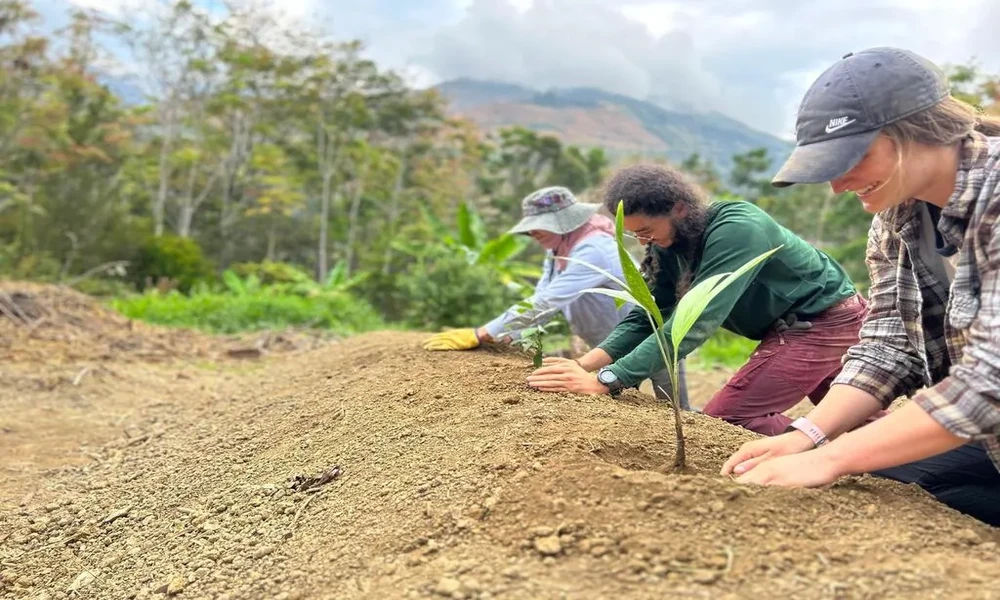
Environmental preservation is a critical step toward a healthier, more equitable, and sustainable future. By fostering a harmonious relationship with the natural world, we can all reap significant cultural, economic, and ecological benefits. Through thoughtful stewardship and responsible land management, the advantages of prioritizing environmental care become clear for both present and future generations.
1. Safeguarding Biodiversity and Ecosystem Health
Protecting the environment preserves the planet’s rich biodiversity, which is fundamental to the resilience of ecosystems. Diverse plant and animal species contribute to the balance of natural cycles like pollination, water purification, and carbon sequestration. When ecosystems thrive, they safeguard our access to clean air, water, and fertile soils-resources essential for survival and prosperity. For example, research by the United Nations Environment Programme highlights the economic and social value of biodiversity, emphasizing its importance in combating climate challenges. By prioritizing environmental preservation, we uphold the interconnected systems upon which all life depends.
2. Supporting Sustainable Economic Development
Environmental preservation and economic progress are not mutually exclusive. Protecting natural resources often lays the foundation for long-term prosperity by promoting industries such as sustainable agriculture, ecotourism, and renewable energy. These sectors support local economies while minimizing environmental degradation. The transition to green energy, for instance, not only reduces our dependency on finite fossil fuels but also creates jobs and fosters technological innovation. A report by the International Renewable Energy Agency underscores the potential for sustainable industries to generate millions of jobs globally, proving that responsible environmental stewardship is an economic opportunity, not a limitation.
3. Preserving Cultural Heritage and Indigenous Knowledge
For many Indigenous communities, environmental preservation is inseparably linked to their cultural identity, traditions, and governance. Organizations like the Haudenosaunee Development Institute exemplify how Indigenous governance models advocate for treaty rights and sustainable land use while protecting cultural heritage. HDI Six Nations ensures any development on Haudenosaunee land aligns with their cultural values and protects their treaty rights. Integrating Indigenous knowledge into broader environmental strategies provides invaluable insights into responsible resource management and fosters greater unity among diverse populations. This respect for cultural continuity strengthens community ties and reinforces our shared responsibility to protect the planet.
4. Mitigating Climate Change
The consequences of climate change are already apparent in rising global temperatures, erratic weather patterns, and more frequent natural disasters. Environmental preservation efforts directly address these challenges by reducing greenhouse gas emissions and enhancing carbon capture through the protection of forests, wetlands, and other vital ecosystems. According to the Intergovernmental Panel on Climate Change, preserving and restoring natural habitats is one of the most effective strategies for mitigating climate impacts. These measures not only slow the progression of climate change but also build resilience in communities most vulnerable to its effects.
5. Enhancing Community Well-Being and Public Health
A well-preserved environment directly benefits public health by reducing exposure to pollutants, providing clean drinking water, and encouraging physical activity through access to green spaces. Studies from institutions like the World Health Organization show clear links between environmental quality and improved health outcomes, including lower rates of respiratory illnesses and chronic diseases. Access to nature also fosters mental well-being, reducing stress and promoting social cohesion. By prioritizing environmental stewardship, societies invest in the holistic health and happiness of their people.
Environmental preservation extends beyond ecological benefits, fostering collaboration, cultural respect, and long-term planning for societal good. Valuing the contributions of regulatory bodies, Indigenous governance, and community stewardship is key to creating a sustainable future for both people and the planet, ensuring the natural world remains a source of life for future generations.
