

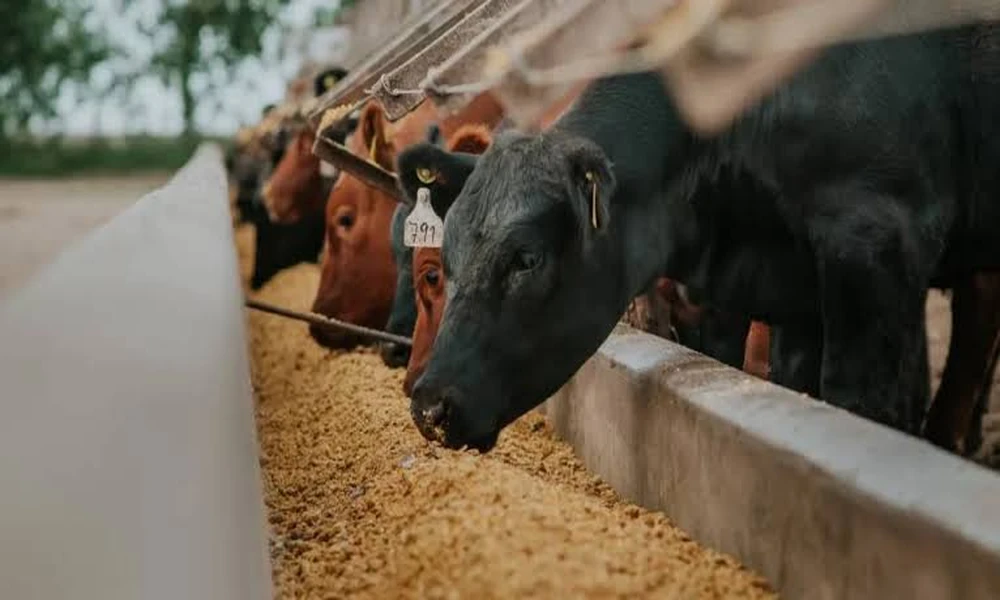
Modern cattle yard operations depend on smooth livestock movement, safety, and efficiency. Poorly planned livestock flow can lead to stress among animals, increased labor requirements, and delays in daily operations. By implementing effective livestock flow planning strategies, farmers and ranchers can improve productivity while creating a safer environment for both animals and workers.
One of the most important factors in improving cattle yard performance is understanding how animals naturally move. Proper layout design, clear pathways, and the right tools help reduce unnecessary movement and make handling processes faster and more organized. Using cattle handling equipment for streamlined livestock flow allows operators to manage cattle with less stress and greater control.
The Importance of Livestock Flow Planning in Cattle Yards
Livestock flow planning involves designing cattle yards in a way that supports natural animal behavior. Cattle prefer calm, predictable movement patterns, so facilities should be designed to minimize confusion and resistance.
Effective planning helps with:
- Reducing animal stress during movement and handling
- Improving worker safety around cattle
- Saving time during loading, sorting, and processing
- Increasing overall yard productivity
- Minimizing injuries and equipment damage
When cattle can move smoothly through designated areas, daily tasks become easier and more efficient.
How Proper Yard Design Improves Operations
A well-designed cattle yard creates a logical flow from one area to another. This includes movement from holding pens to handling areas, loading zones, and treatment spaces.
Key design elements include:
- Strategic Pen Placement: Positioning pens to allow easy access and reduce unnecessary walking distances.
- Safe Handling Areas: Creating controlled spaces where cattle can be inspected, vaccinated, or sorted.
- Clear Pathways: Removing obstacles that may interrupt animal movement.
- Proper Space Management: Providing enough room to prevent overcrowding and stress.
A thoughtful layout combined with quality Cattle Handling Equipment helps improve control and makes routine livestock management more effective.
Benefits of Using Modern Cattle Handling Equipment
Technology and improved equipment have transformed the way farmers manage cattle operations. Reliable handling systems allow cattle to be moved efficiently while reducing physical effort for workers.
Some major benefits include:
- Faster cattle processing and sorting
- Better animal welfare through reduced stress
- Improved accuracy during health checks and treatments
- Reduced risk of injuries for handlers
- More consistent daily operations
Modern equipment such as cattle gates, chutes, loading systems, and sorting solutions supports a smoother workflow and enhances overall farm efficiency.
Reducing Stress Through Better Livestock Management
Animal stress can negatively affect cattle health, weight gain, and productivity. Poor handling practices, loud environments, and overcrowded areas often create unnecessary pressure on animals.
Livestock flow planning helps reduce these problems by:
- Designing calmer movement routes
- Avoiding sharp turns and confusing pathways
- Providing comfortable holding areas
- Encouraging natural cattle movement patterns
A stress-free environment improves animal performance and creates better results for farmers.
Improving Long-Term Cattle Yard Efficiency
Investing in proper livestock flow planning provides long-term benefits for cattle operations. A well-organized yard requires less labor, improves safety, and allows farmers to manage larger herds more effectively.
Successful cattle yard management focuses on combining smart design, trained handling practices, and dependable equipment. With the right approach, farmers can create a productive environment where cattle movement is safer, faster, and more efficient.
Conclusion
Livestock flow planning plays a vital role in improving cattle yard operations. From reducing stress to increasing productivity, a well-designed system benefits both animals and workers. By incorporating effective layouts and reliable Cattle Handling Equipment, cattle producers can achieve smoother operations and better overall farm performance.
