

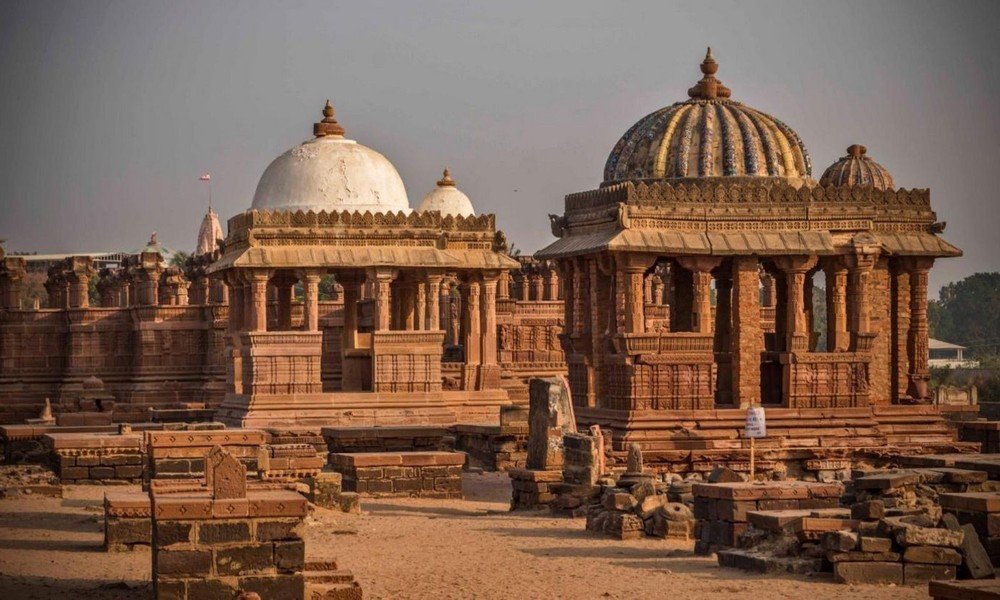
Bhuj, in the Kutch area of Gujarat, is unique among cities with many marvellous museums, handicraft villages, and palaces and is a great starting point for anyone wishing to explore the Kutch region, as there are many interesting things to see and do.
Following the earthquake of 2000, Bhuj has successfully rebuilt many structures while still keeping its past. Many buildings have been restored, a number of good museums exist, and many handicrafts are being produced in the area. Additionally, visitors will experience the living culture of Gujarat without being overrun by tourists.
Let’s cover everything you need to know for your first Bhuj trip.
Why Visit Bhuj?
Bhuj offers things you won’t find anywhere else in India. The city has unique palaces built in Indo-European styles. Nearby villages make world-famous handicrafts like embroidery and block printing. The food is pure Gujarati vegetarian done really well.
Most importantly, Bhuj stays authentic. It hasn’t turned into a tourist trap. You see real life happening around you while exploring historical sites.
Main Things to See
The Aina Mahal or Palace of Mirrors, is a good example of Bhuj’s rich history and heritage. Built in the 1700s, the Aina Mahal features Venetian glass, many beautiful chandeliers, and stunning tile work. It is also home to a royal museum that displays historic royal artefacts as well as many works of art created centuries ago with incredible craftsmanship.
Prag Mahal sits right next to Aina Mahal. This palace looks completely different with its Italian Gothic style. Climb the clock tower for views over the whole city. The Durbar Hall inside feels like a European castle.
Kutch Museum is Gujarat’s oldest museum. It has tribal items, old textiles, weapons, and musical instruments. Spend time here before visiting craft villages. You’ll understand the traditions better.
Hamirsar Lake, located in the heart of Bhuj, is a popular spot for walks and tranquillity among the locals. There are many shops and restaurants around the perimeter of the lake, which are particularly nice to be at in the evening.
Visiting Craft Villages
The villages near Bhuj make handicrafts that people buy worldwide. Bhujodi (8 kilometres away) specialises in weaving. You can watch weavers work on traditional looms. Ajrakhpur keeps ancient block-printing techniques alive. Nirona village does rogan art (painting with castor oil) and makes copper bells.
Many hotels in Bhuj arrange village visits with guides. This helps because you learn about the techniques and family histories. You can buy items directly from the makers, too.
When to Visit?
The best time to experience Bhuj is between November and February, when daytime and nighttime temperatures are more comfortable than during other times of the year. Additionally, the Rann Utsav Festival takes place at the White Rann during this time.
March to June gets very hot. Temperatures cross 40 degrees easily. July to October is the monsoon season with occasional heavy rain. The landscape turns green, but travel gets harder.
Getting There
Bhuj offers an airport that has flights coming from Mumbai, Ahmedabad and Bangalore. The airport is located about 5 km from the city, and there are taxis and auto-rickshaws available to get to Bhuj.
Trains connect Bhuj to major Indian cities. The railway station is in the city centre. Buses run from Ahmedabad and other Gujarat cities regularly.
Where to Stay?
Hotels in Bhuj range from budget lodges to comfortable mid-range properties. Staying near the city centre puts you close to palaces and museums. Most hotels can arrange tours to craft villages and the White Rann.
Heritage properties offer the most character with traditional architecture. Modern hotels have better facilities, like pools and restaurants. Pick based on your budget and what matters to you.
Bottom Line
Bhuj provides visitors with a cultural experience without the long lines of tourists. A visit to all of the Palaces, Museums and living Craft industries make Bhuj a unique travel destination. You will need at least 2-3 days to see all the sites properly. Be prepared to explore, eat well and purchase some very nice handicrafts to take home with you.
