

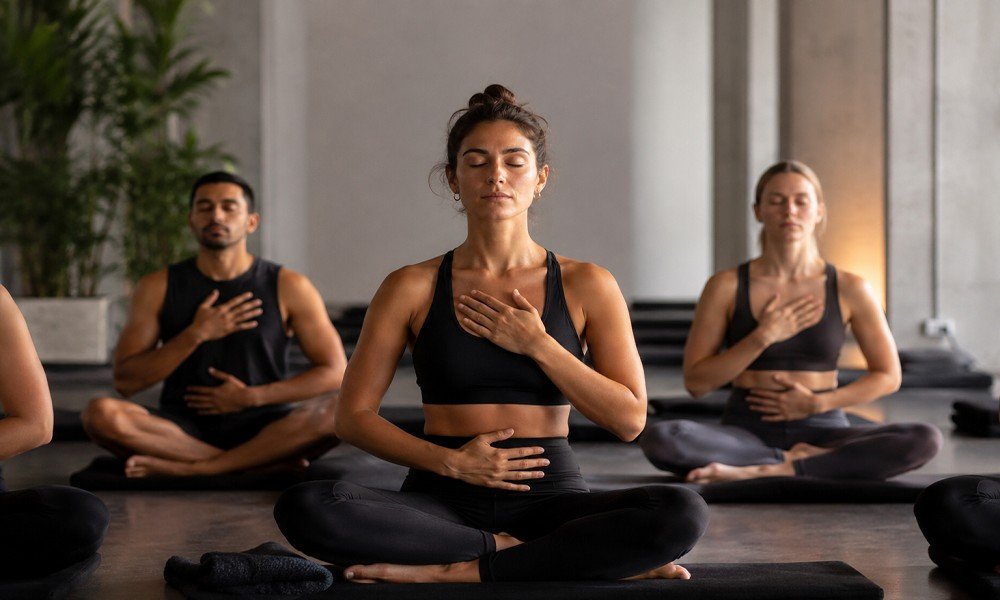
In a world shaped by constant stimulation, digital overload, and fast-paced routines, people are increasingly seeking meaningful ways to reconnect with themselves. Wellness is no longer viewed as an occasional luxury – it has become an essential part of modern living. Among the most powerful practices gaining attention today are breathwork classes, offering a transformative approach to emotional balance, mental clarity, and physical restoration.
As individuals seek experiences that support both inner awareness and outward performance, breathwork has emerged as a sophisticated wellness practice that bridges ancient traditions with modern science. Through intentional breathing techniques, guided movement, sound, and meditation, these immersive experiences create space for greater calm, resilience, and presence.
Why Breathwork Is Becoming a Modern Wellness Essential
Breathing is one of the few bodily functions that operate both automatically and consciously. This unique connection allows breathwork to directly influence the nervous system, emotional state, and overall wellbeing.
Modern lifestyles often leave the body locked in patterns of stress and overstimulation. Shallow breathing, mental fatigue, and emotional overwhelm have become common experiences for many people navigating demanding schedules and constant connectivity. Breathwork offers a practical yet deeply restorative solution.
Structured breathing practices can help regulate stress responses, support focus, improve sleep quality, and create a stronger sense of emotional grounding. More importantly, breathwork encourages people to slow down and reconnect with the present moment – something increasingly rare in today’s environment.
Premium wellness spaces are now elevating these practices into immersive experiences that blend breath, music, meditation, movement, and mindfulness into one cohesive journey.
The Experience of a Modern Breathwork Practice
Today’s wellness seekers are looking for more than traditional fitness or meditation routines. They are seeking experiences that feel intentional, transformative, and deeply personal.
This is where modern breathwork classes stand apart. Rather than focusing solely on technique, these sessions often create an atmosphere that supports emotional release, nervous system regulation, and mindful awareness.
The experience may include guided breathing rhythms, ambient soundscapes, meditative instruction, and grounding movement practices. Together, these elements create a multisensory environment that allows participants to disconnect from external distractions and reconnect with their internal state.
For many individuals, the result is a heightened sense of clarity, emotional openness, and physical relaxation. Others describe feeling more energized, centered, and mentally refreshed after just one session.
The Science Behind Conscious Breathing
The growing popularity of breathwork is also supported by increasing scientific interest in the connection between breath and the nervous system.
Controlled breathing techniques can influence heart rate variability, oxygen flow, and stress hormone regulation. Slow, intentional breathing activates the parasympathetic nervous system – often referred to as the body’s “rest and restore” mode. This physiological response helps counterbalance the chronic stress many people experience daily.
Beyond relaxation, conscious breathing may also support concentration, emotional resilience, and mindfulness. Many wellness practitioners now incorporate breathwork into broader self-care routines because of its accessibility and adaptability.
Unlike wellness trends that require expensive equipment or extensive experience, breathwork remains fundamentally human. It is simple in concept yet powerful in impact.
Breathwork as a Collective Wellness Experience
One of the most compelling aspects of modern breathwork is its communal nature. While breathing is deeply personal, practicing within a guided group environment often creates a sense of connection and shared presence.
Collective wellness experiences can foster emotional support, mindfulness, and deeper engagement with the practice itself. In premium wellness communities, participants are invited into thoughtfully designed spaces where breath, movement, music, and meditation work together to encourage greater awareness.
This social dimension transforms wellness from an isolated activity into a meaningful collective experience. Many individuals find that practicing alongside others enhances accountability, motivation, and emotional openness.
As wellness culture continues evolving, people are increasingly valuing experiences that feel authentic, grounding, and connected – not simply transactional.
Integrating Breathwork Into Daily Life
The true value of breathwork extends beyond the studio environment. Over time, many practitioners begin incorporating conscious breathing into everyday moments.
Simple breathing exercises before meetings, during stressful situations, or before sleep can help create moments of calm throughout the day. Breath awareness may also improve emotional regulation, decision-making, and overall resilience.
This accessibility is part of what makes breathwork such a powerful long-term wellness tool. Whether practiced for five minutes or through immersive guided sessions, intentional breathing creates opportunities to return to the present moment and restore balance.
For individuals seeking a more elevated and mindful lifestyle, breathwork represents more than a temporary wellness trend. It offers a sustainable practice for cultivating clarity, awareness, and inner connection in an increasingly fast-paced world.
Conclusion
Modern wellness is evolving beyond surface-level self-care into experiences that support deeper transformation and meaningful presence. Breathwork has become one of the most impactful practices within this movement, helping individuals reconnect with themselves through intentional breathing, mindfulness, and collective awareness.
As people continue prioritizing mental clarity, emotional wellbeing, and nervous system support, premium breathwork experiences are becoming an essential part of contemporary wellness culture.
For those looking to explore a more grounded, restorative, and connected approach to wellbeing, immersive breathwork practices offer an opportunity to pause, breathe deeply, and rediscover presence in everyday life.
FAQ Schema Markup
What are breathwork classes?
Breathwork classes are guided wellness sessions that use intentional breathing techniques to support relaxation, emotional balance, mindfulness, and nervous system regulation.
Are breathwork classes good for stress relief?
Yes. Many people use breathwork practices to help reduce stress, improve focus, and create a greater sense of calm and emotional clarity.
Can beginners join breathwork classes?
Absolutely. Most modern breathwork sessions are designed to welcome beginners while still offering meaningful experiences for experienced practitioners.
How often should someone practice breathwork?
Consistency matters more than duration. Some people practice daily for a few minutes, while others attend guided sessions weekly as part of their wellness routine.
What should someone expect during a breathwork session?
A typical session may include guided breathing exercises, meditation, calming music, mindfulness instruction, and restorative movement designed to support relaxation and awareness.
