

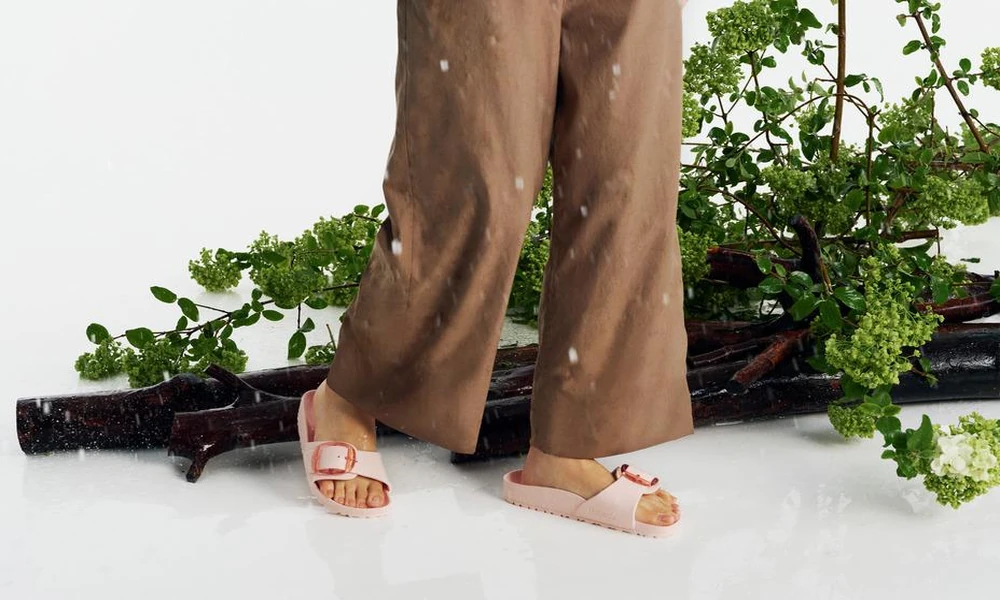
Monsoon has a funny way of turning the simplest task, walking out of the door, into a small act of courage. One minute you’re strolling to catch a cab, the next you’re doing an impromptu tightrope act over a puddle. If there is one season that truly tests your footwear, it’s this one.
And yet, most of us still treat monsoon shoe shopping as an afterthought. Here’s why that needs to change.
1. The Squelch Problem Is Real
Anyone who has worn shoes in the rain knows the horror of the squelch. Wet socks, damp insoles, and that distinct swampy smell by evening. This is exactly why more people are switching to sandals for slippers at home and outdoors alike. Open, breathable designs dry faster, trap less moisture, and simply feel less miserable when the skies open up without warning.
2. Men, This One’s For You
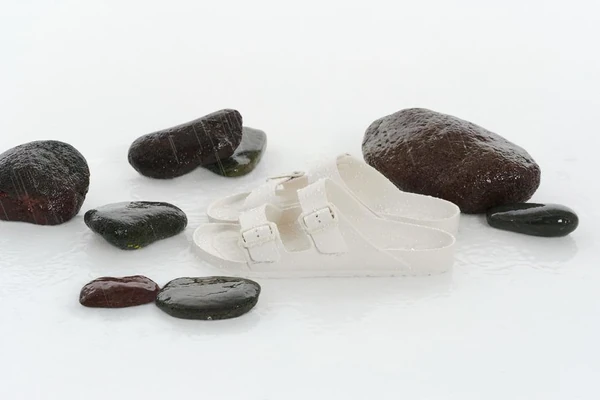
Monsoon footwear conversations often skip straight past men’s needs, which is unfair considering how many of them are out commuting, working outdoors, or just running errands in ankle-deep water. Investing in waterproof sandals for men isn’t about looking fussy, it’s about function. A grippy sole and quick-drying straps can be the difference between a smooth Tuesday and a slippery disaster. Styles like the Arizona by Birkenstock work well here simply because the two-strap design keeps things secure without fuss.
3. Women Deserve Style Without the Soggy Compromise
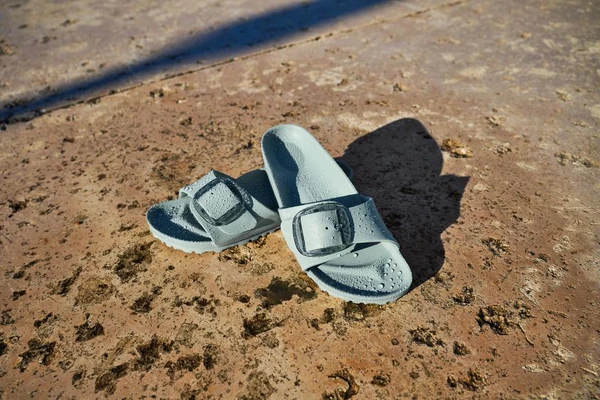
On the other side, monsoon footwear for women has quietly become its own little category of interest. Nobody wants to choose between looking put together and staying dry. Thankfully, that trade-off is disappearing. Slip-on styles like the Gizeh or strappy options like the Mayari prove that easy-to-clean, water-friendly footwear doesn’t have to look like an afterthought.
4. Material Is the Real MVP
The material of your footwear does more work than the design. Rubber and EVA-based soles resist water absorption, don’t warp when wet, and clean up in seconds with a quick rinse. So next time you’re shoe shopping, check the sole material before you check the colour.
5. Grip Matters More Than You Think
Wet tiles, mossy steps, oily roads, and monsoon terrain is basically an obstacle course. A textured, contoured footbed with good traction reduces slipping far better than a flat, smooth sole. This is one of those unglamorous features that quietly saves your day, and possibly your dignity.
6. Swap the Slippers at Home Too
Most people forget that monsoon footwear struggles don’t end at the front door. Damp bathroom floors and puddled balconies call for the same caution indoors. Choosing sandals instead of slippers within the house, rather than sticking to old fabric ones that stay wet for hours, keeps things hygienic and far more comfortable through the season.
7. Versatility Wins the Season
The best monsoon footwear works across contexts: office, errands, weekend outings, all without needing a shoe change. Styles like Birkenstock’s Boston, typically a closed clog, show how even non-sandal silhouettes can be chosen smartly for slip-resistant soles during drier monsoon days.
The Quick Monsoon Footwear Checklist
- Quick-drying straps and footbeds
- Non-slip, textured soles
- Easy-clean materials over absorbent ones
- A snug, secure fit that won’t slide off in the rain
- Comfort that holds up over long, wet days
The Last Word
Monsoon doesn’t need to mean squished toes, soggy socks, or shoes that smell questionable by 6 pm. Whether it’s sandals instead of slippersat home, waterproof sandals for men on the move, or thoughtfully designed monsoon footwear for women, the right choice is less about fashion statements and more about small, practical decisions that make the season genuinely enjoyable. Sometimes, reliable footwear is the real MVP of monsoon.
