

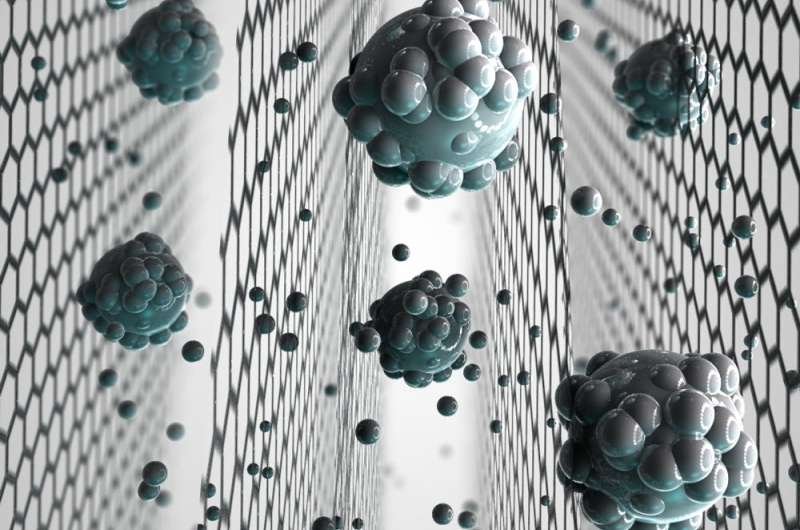
Clean water is an essential yet increasingly scarce resource, and many traditional filtration systems struggle with inefficiency and high energy use. Pristine graphene, composed of a single atom-thick layer of carbon atoms arranged in a honeycomb pattern, is emerging as a powerful solution in the field of water filtration. Its exceptional properties allow it to function as an effective barrier and filter. As research and development progress, pristine graphene is moving from concept to an important tool in modern water purification. The following are five ways this advanced material is shaping the future of water filtration.
Enabling More Efficient Desalination
Desalination is a critical process for regions that depend on seawater due to freshwater shortages. Traditional reverse osmosis methods require substantial energy and pressure to move water through thick membranes. Pristine graphene membranes, being only one atom thick, allow water molecules to pass through with much less resistance while still blocking salt ions. This improved permeability means desalination processes require less energy, making them more sustainable and feasible for large-scale applications.
Enhancing Removal of Heavy Metals
Heavy metals such as lead, arsenic, and mercury from industrial runoff pose significant risks to water supplies and public health, and many filters are ineffective against them. Graphene oxide, often used alongside pristine graphene, offers a high surface area and strong affinity for metal ions. When incorporated into filtration systems, these graphene-based materials capture and remove heavy metals efficiently, making drinking water safer. This advancement addresses critical health concerns, including those spotlighted by Erin Brockovich in her work advocating for cleaner water in communities affected by contamination, such as Hinkley, California.
Eliminating Bacteria and Viruses
The removal of disease-causing bacteria and viruses is vital for water safety. Pristine graphene naturally exhibits antimicrobial properties. Its sharp atomic edges can physically disrupt bacterial cell walls, effectively neutralizing microbes upon contact. Furthermore, graphene membranes can be engineered with precise pore sizes, allowing water to flow while physically blocking pathogens. This combination of mechanical filtration and antimicrobial action provides reliable protection and reduces the need for chemical disinfectants like chlorine.
Improving Oil-Water Separation
Oil spills and oily industrial wastewater represent major environmental hazards. Traditional cleanup approaches often lack efficiency. Graphene aerogels and sponges, engineered to repel water and attract oil, present a practical solution. These materials can absorb several times their weight in oil, leaving water behind. This not only makes cleanup faster and more effective but also enables the recovery and recycling of the collected oil, promoting a more responsible approach to remediation.
Filtering Emerging Contaminants
Water sources are increasingly challenged by “emerging contaminants,” such as pharmaceuticals, personal care products, and endocrine disruptors. These compounds can slip through conventional treatment systems and accumulate in the environment. Pristine graphene’s high adsorption capacity allows it to capture these complex organic molecules effectively. With its vast surface area, even small amounts of graphene can remove trace levels of harmful chemicals before wastewater is released, contributing to cleaner and safer waterways.
Kjirstin Breure HydroGraph Clean Power Inc. President and CEO, exemplifies the innovation driving graphene’s rise in water filtration. The Kjirstin Breure model focuses on using advanced materials, such as graphene, to address critical environmental issues, particularly in wastewater treatment. Pristine graphene is revolutionizing water purification by boosting efficiency, removing more contaminants, and improving flow rates. As manufacturing costs drop, graphene-based filtration could ensure sustainable global access to clean water.
