

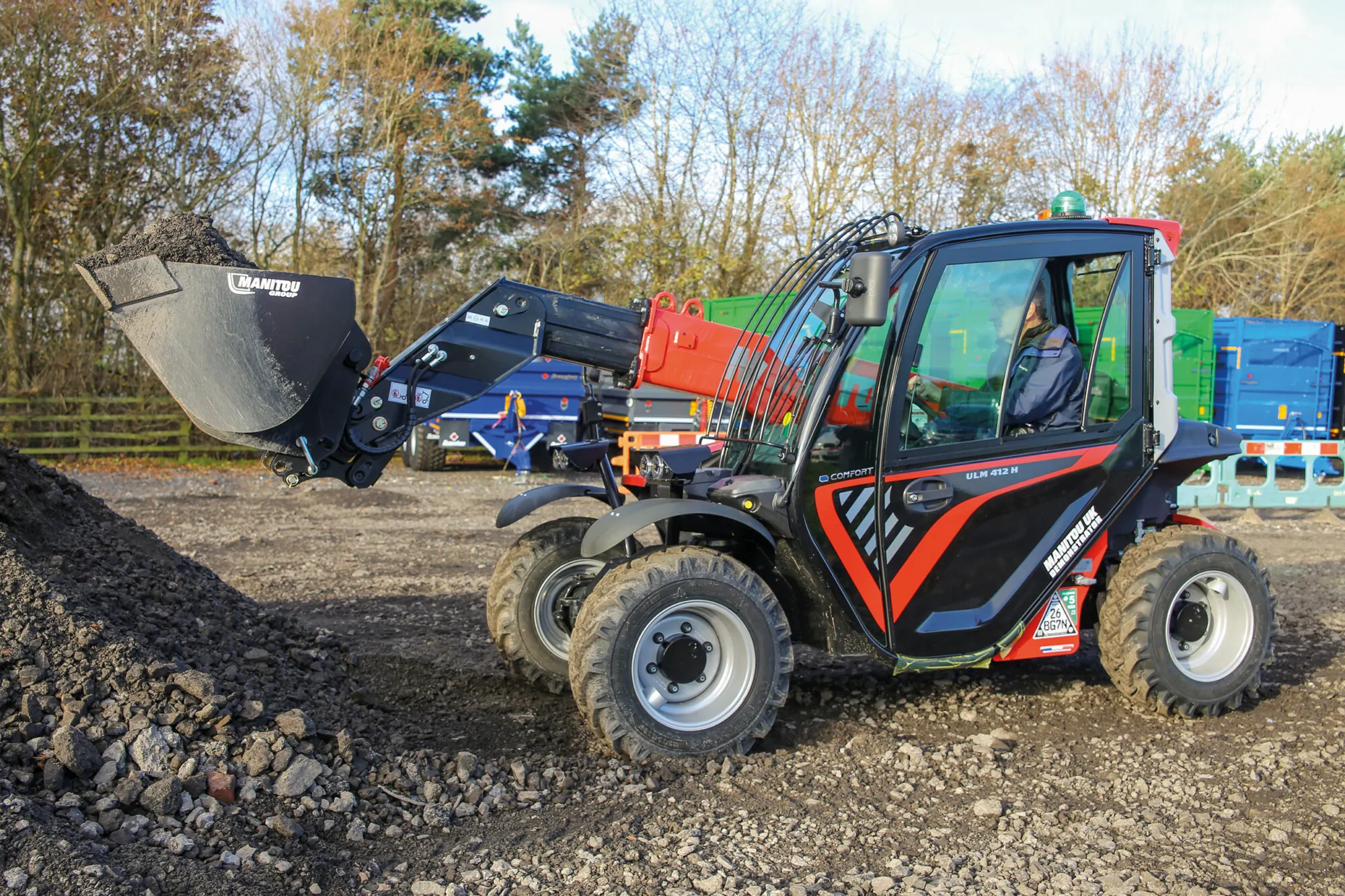
Telehandlers are versatile machines designed to handle lifting, loading, and material handling tasks across agricultural and construction environments. Selecting the right model is essential for safety, efficiency, and long-term performance. By understanding key specifications and operational requirements, buyers can make informed decisions that align with daily workloads and site conditions.
Understanding Lifting Capacity and Reach
The first consideration when evaluating a telehandler is lifting capacity. This refers to the maximum weight the machine can safely lift at a specified height and reach. Different operations demand different capacities—farm handling may involve moving bales or feed, while construction tasks often require lifting pallets or building materials to height.
When reviewing a Telehandler For Sale Suffolk range from Marst Agri, it’s important to match capacity ratings to real-world use rather than peak figures. Reach is equally critical, as extended booms affect stability and load limits. Choosing a machine with the correct balance ensures safe lifting without overloading.
Terrain and Site Conditions
Telehandlers operate across varied terrain, from uneven farmland to compacted construction sites. Tyre selection, ground clearance, and drive configuration (two-wheel or four-wheel drive) all influence performance and stability.
Machines designed for rough terrain offer improved traction and control, reducing the risk of slippage and downtime. Buyers considering aTelehandler For Sale Suffolk should assess where the machine will be used most frequently to ensure it can handle slopes, soft ground, or confined spaces effectively.
Attachments and Versatility
One of the key advantages of telehandlers is their compatibility with a wide range of attachments. Forks, buckets, bale grabs, and lifting hooks allow a single machine to perform multiple tasks, improving productivity and reducing the need for additional equipment.
Attachment compatibility should be reviewed carefully to ensure quick coupling and secure operation. The right attachments expand functionality and make telehandlers a cost-effective investment for mixed-use environments.
Operator Comfort and Safety Features
Operator comfort has a direct impact on productivity and safety. Modern telehandlers are equipped with ergonomic cabs, adjustable seating, and intuitive controls that reduce fatigue during long working hours.
Safety features such as load monitoring systems, stabilisers, and clear visibility from the cab help prevent accidents. When assessing a Telehandler For Sale Suffolk, prioritising safety technology supports compliance with workplace standards and protects both operators and equipment.
Maintenance and Long-Term Reliability
Reliable performance over time depends on build quality and maintenance accessibility. Easy access to service points, durable components, and manufacturer support all contribute to reduced downtime and lower running costs.
Routine servicing extends machine lifespan and ensures consistent performance under demanding conditions. Selecting a well-supported model helps maintain productivity throughout its working life.
Matching Equipment to Operational Needs
Every operation has unique requirements. Smaller farms may benefit from compact models with agile handling, while large construction sites may require higher lift capacities and extended reach. Assessing daily tasks, load types, and working environments ensures the chosen machine delivers value over time.
Conclusion
Choosing the right telehandler involves more than comparing specifications. By understanding lifting capacity, reach, terrain suitability, attachments, and safety features, buyers can select equipment that supports efficient and secure operations. With careful consideration of operational needs and long-term reliability, a telehandler becomes a dependable asset that enhances productivity across agricultural and construction projects.
